
Are Porsche engines reliable? Different engines comparison
Posted by Admin at 16 January 2026, at 10 : 22 AM
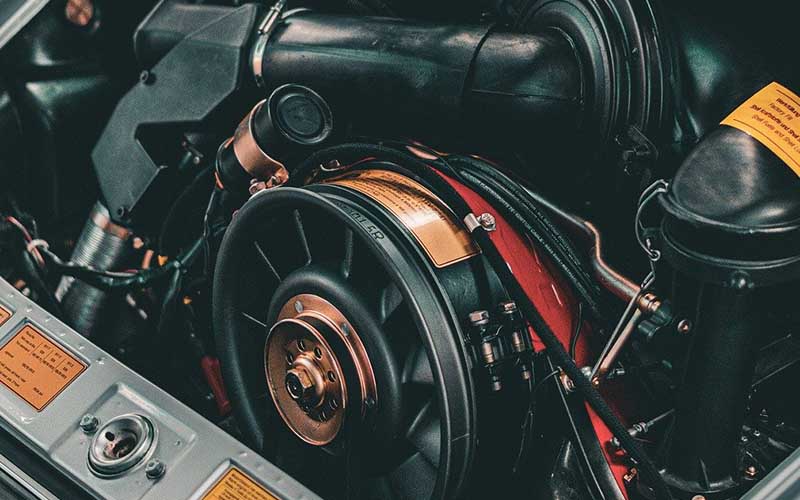
Yes — Porsche engines are generally considered reliable, especially when properly maintained and serviced on schedule. However, the degree of reliability depends strongly on the engine type, generation, and how the car has been used. Here’s a detailed, fact-based breakdown:
1. Overall Reliability Reputation
Strengths
Porsche engines — particularly the classic flat-six designs — have a long track record for durability and can exceed 200,000 miles (320,000 km) with proper care.
Precision engineering, robust materials, and rigorous testing contribute to solid long-term performance.
Many owners report high satisfaction and longevity, especially with Porsche’s simpler, naturally aspirated units.
Caveats
Modern Porsche engines incorporate advanced technologies (turbocharging, direct injection, variable valve timing) which can improve performance but also add complexity and maintenance demands.
2. Engine Types — What to Expect
Classics / Air-Cooled Flat-Six
Older air-cooled flat-six engines are legendary for reliability and longevity, often running over 200,000 miles with basic upkeep.
Simpler design means fewer components that can fail, and a strong enthusiast support network for parts.
Water-Cooled Flat-Six (Common in 911, Cayman, Boxster)
Generally very reliable with proper maintenance.
Some early water-cooled engines (e.g., M96/M97 in older 996/Boxster/Cayman) had notable issues, such as IMS bearing failures, cylinder scoring, or oil leaks in certain production years.
Many of these issues are well-documented and can be mitigated via aftermarket upgrades or early inspection.
Turbocharged Engines
Modern turbo engines (such as 3.0 L flat-6 turbos) typically show good longevity and reliability, but higher performance turbo systems require consistent maintenance.
V-8 and Other Variants
Larger engines in SUVs or Panamera models can be reliable, but some owners report oil leaks, coolant pipe problems, or component failures typical for complex modern engines.
3. Common Issues to Be Aware Of
Even reliable engines can develop issues if neglected:
Oil Leaks: Seals and gaskets can develop leaks over time.
Cooling System Failures: Water pump or plastic coolant pipes can fail and lead to overheating.
Air-Oil Separator (AOS) Failures (older flat-six models) can cause oil consumption or smoke.
Turbo System and Sensors: Turbocharged engines and sensor networks require expert service and timely replacement of wear items.
These are common mechanical wear points in many performance engines, not unique to Porsche — but they can be expensive to fix if neglected.
4. Maintenance and Ownership Costs Matter
Porsche engines tend to last longer when:
Regular oil changes and scheduled services are performed.
Timing belts/chains, cooling system components, and seals are maintained.
Known historical issues (e.g., IMS bearings on specific models) are proactively addressed.
Neglecting maintenance can undermine reliability even in the most robust engines.
5. Comparative Reliability
Recent data suggests some modern Porsche models (e.g., certain 911 variants) rank above average in reliability surveys compared to other performance vehicles.
That said, Porsche overall reliability scores can vary depending on model and year — sports cars with high performance often face more stress and complexity than average commuter cars.
Summary
Positive
Fundamentally robust engines with potential for very high mileage.
Strong build quality and engineering pedigree.
Many enthusiast-friendly maintenance options to enhance reliability.
Precautions
Specific engines (especially older M96/M97) had noteworthy failures.
Modern turbo and complex systems demand diligent maintenance.
Repair and maintenance costs are generally higher than average.
Conclusion
Porsche engines can be very reliable and long-lasting — particularly if properly maintained and understood on a model-by-model basis. They may not be as low-maintenance as mainstream commuter car engines, but in the context of high-performance automotive engineering, they stand out for durability and longevity.